
Three PR Phrases That Should No Longer Be Used
Phrases come and go with each passing generation. While Gen Z has drawn eyebrow raises from every previous generation with terms like “sus” and “6-7,” they would be equally confused if they heard Gen X make comments like, “I’d buy that for a dollar” or “hella good.”
Sometimes a phrase can mean different things to different generations. For example, I once had to explain to two coworkers who were a little older than me that when discussing a public relations (PR) strategy, the phrase “We don’t want to blow our wad here” does not have the same meaning that it once did. Today, it has a very sexual NSFW connotation, but it once was a phrase that gamblers used to caution against losing all of your money in a single game. After I explained the difference, I did reassure both of them that they still made the strategic point that they wanted to make.
With that in mind, here are three other PR terms that I have heard over the years that I would be okay with people never using again.
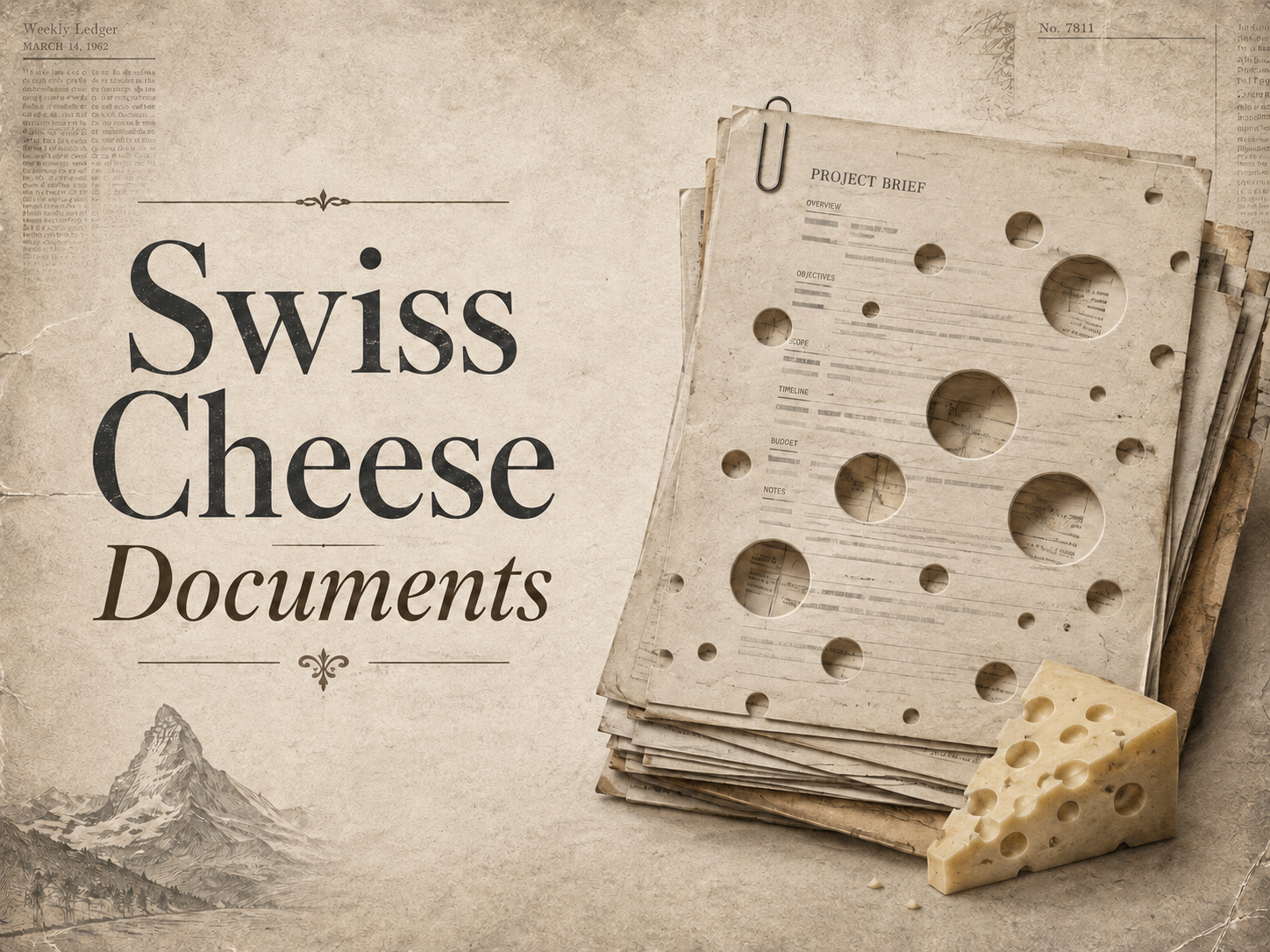
1. Swiss Cheese Documents
This is a “cute” term that some organizations used to describe template documents because Swiss cheese has historically had holes. However, most Swiss cheese that you buy in the supermarket today is solid because the modern milking process has eliminated the bacteria that causes the holes. Plus, there is a much better term for these documents that does not equate your writing with cheese, and that is “templates.”
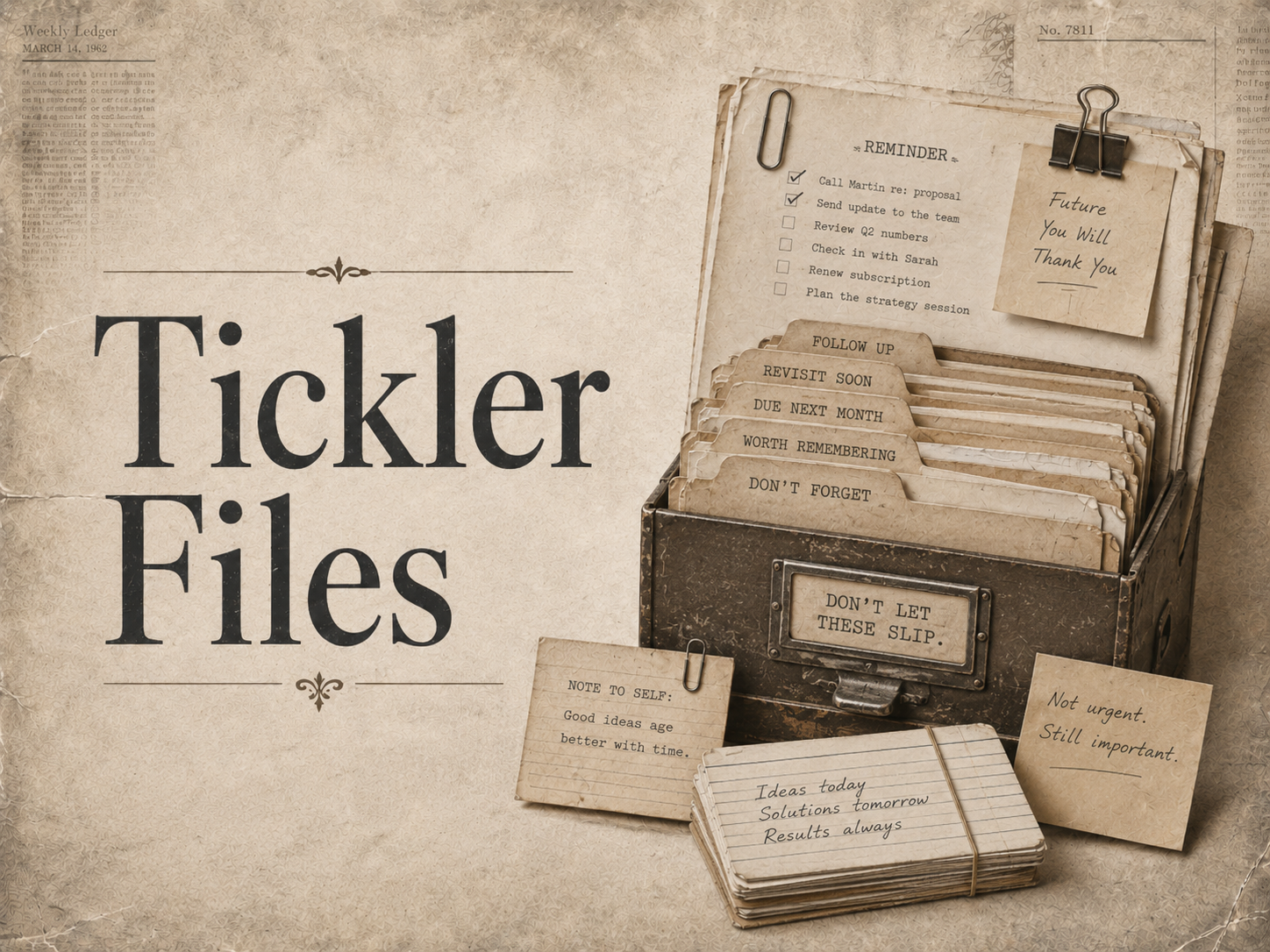
2. Tickler Files
Stop snickering. It is a term for a folder containing items that you want to keep on hand and remember. That being said, with a name like that, you would think it was owned by this guy. Whether it is Post-it Notes, calendar reminders, or something else altogether that you use to stay organized, go with that and avoid the term “tickler file” at all costs.
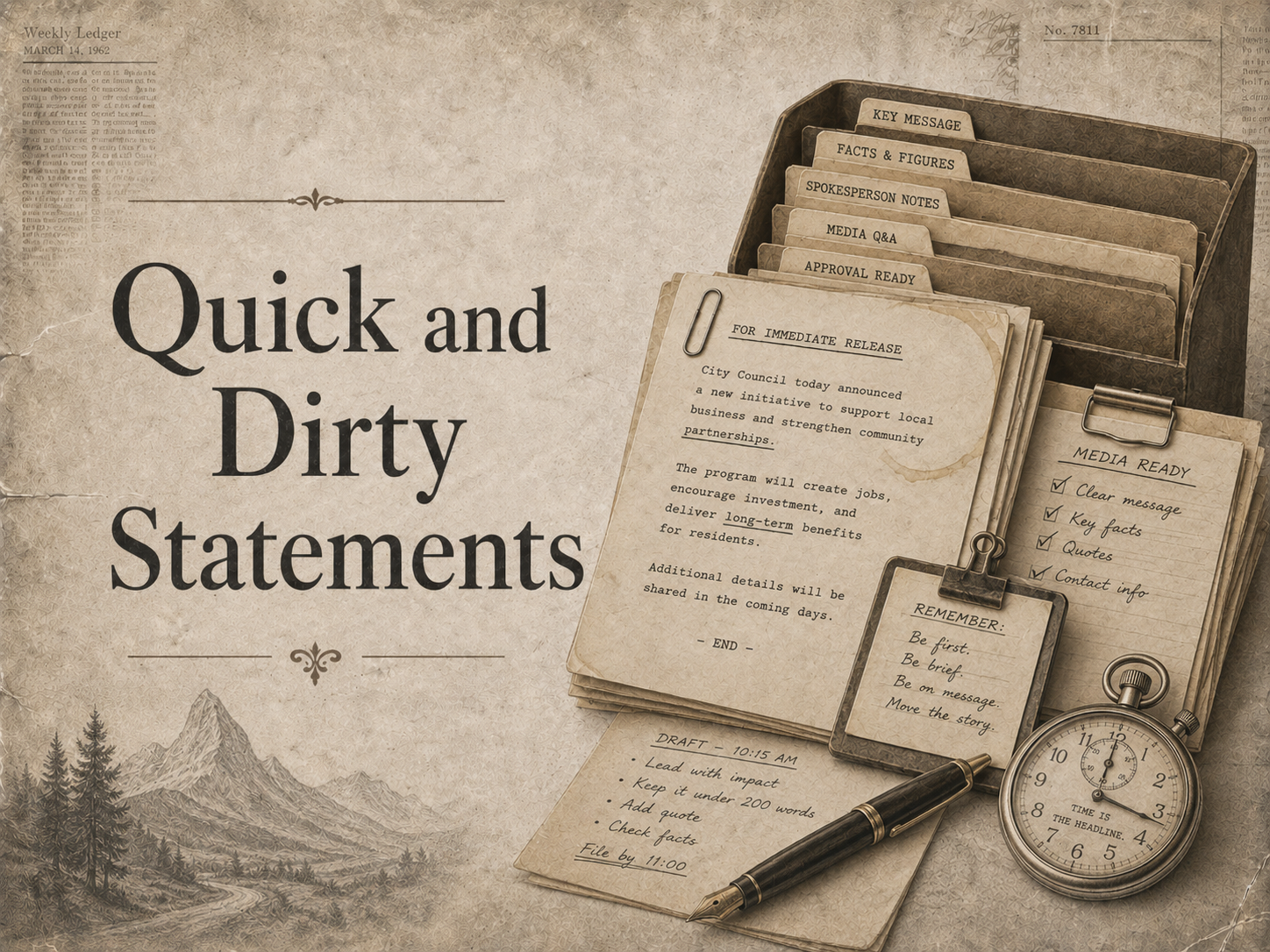
3. Quick and Dirty Statements
Another phrase that has sexual NSFW connotations, this term applies to the strategy of sending out media statements quickly without saying every single thing your leadership wants to say to stay within the news cycle. The fact is that today’s media environment requires virtually all media statements to be put together in a rapid fashion, but just because they are written quickly does not mean they are not put together cleanly. Bawdiness aside, the term “quick and dirty” falsely implies that you are not doing your best work in an industry where speed continues to become more and more of a necessity.
Phrases are often a product of an organization’s culture so there is a distinct possibility you may never have heard any of these. If not, I am sure there are still some terms in your workplace that drive you crazy and if you start avoiding them, maybe others will too.