
Three Soft Approaches for Editors
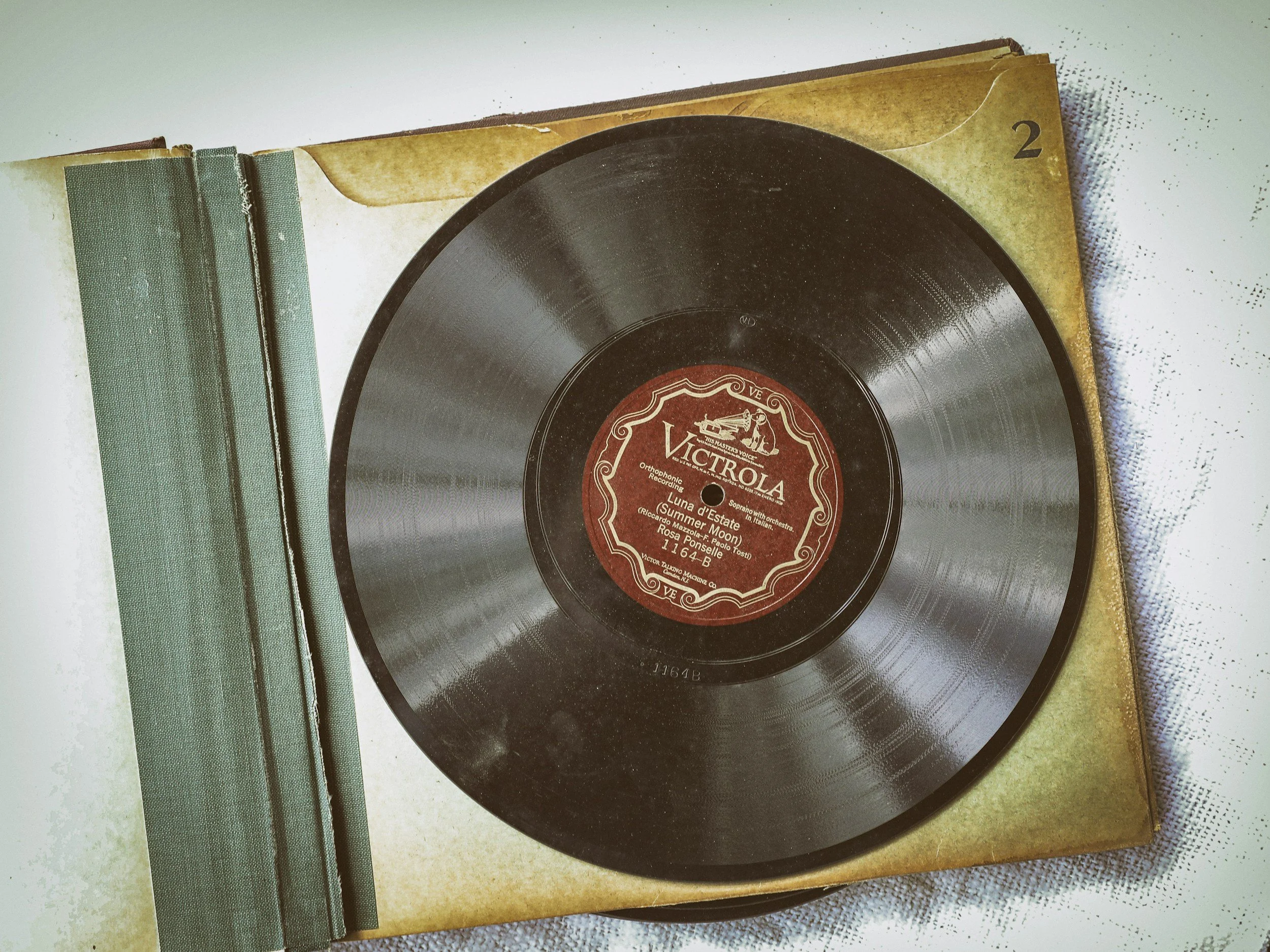
I love a good salacious music biography or documentary and have since I was in high school. While I used to find the tales of rock band debauchery tantalizing, I am now more interested in stories of the trials and tribulations that went into making a classic album or an epically bad one.
Unfortunately, I fear that they have also led to people thinking that conflict produces the best work, and we see this reflected by editors in workplaces everywhere from time to time. This does not happen often, but whenever I get a document back full of snarky comments, my thought is usually, “Good Lord, we’re not making Abbey Road here. This product launch plan could still be punched up without your brutal truth.”
To be clear, writers need to have thick skins in receiving constructive criticism. However, editors also need to know how to give feedback in a constructive manner, and if you are reviewing a document, you are an editor regardless of your profession. Here are three soft approaches I recommend taking.
1. Don’t use this as an opportunity to prove your value
We all experience feelings of inadequacy in the workplace and question whether management and our coworkers truly appreciate our value. Those emotions are valid and should be acknowledged, but don’t attempt to assuage them by poking holes in someone else’s work. When someone sends you work that needs little editing, be confident in signing off on it and know that you will prove your worth elsewhere.
2. If you are the subject matter expert, act like it
There are few things more annoying than sending a piece to a subject matter expert to review for accuracy, and they provide feedback on sections in the vein of “This needs more context. Please add examples.” As the subject matter expert, you have that additional context and those examples. Add them yourself, or the writer is going to have to come back and ask you for it.
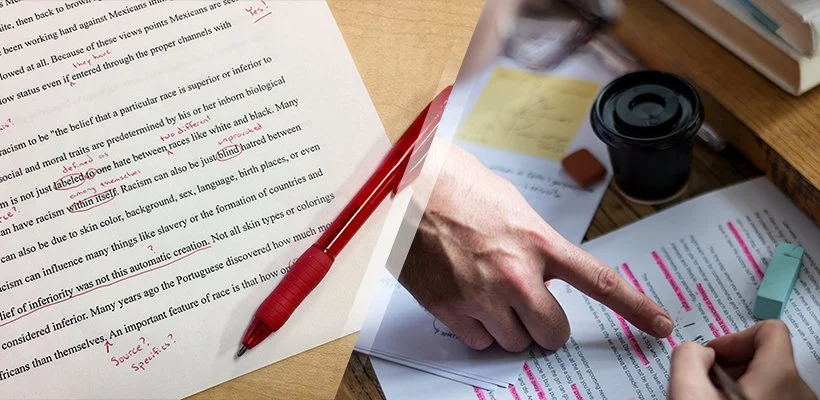
3. Don’t be obnoxious
As legislative secretary to U.S. Rep. Richard Kleberg [TX-14] in the 1930s, Lyndon Johnson would edit letters to constituents, and if he saw a typo or something else that he did not like, he would mark it with a simple “X” and give it back to the staffer without explaining what needed to be fixed. I know this because the two aides he did this to told biographer Robert Caro about it 40 years later to describe how horrible LBJ could be. When you give a writer nasty, unhelpful feedback, keep in mind that it may stay with them longer than you realize.
Every writer needs an editor, but the best work comes when there is trust between the two. Taking these three approaches can help you build that.
If you enjoyed this piece, you might also like my earlier blog on Understanding Both sides for your writing.
✍️ Want to see real-world examples and learn how to wield punctuation for maximum impact? Subscribe to our newsletter.